
Sikhism
Ik Onkar: The Sikh Affirmation of One Creator
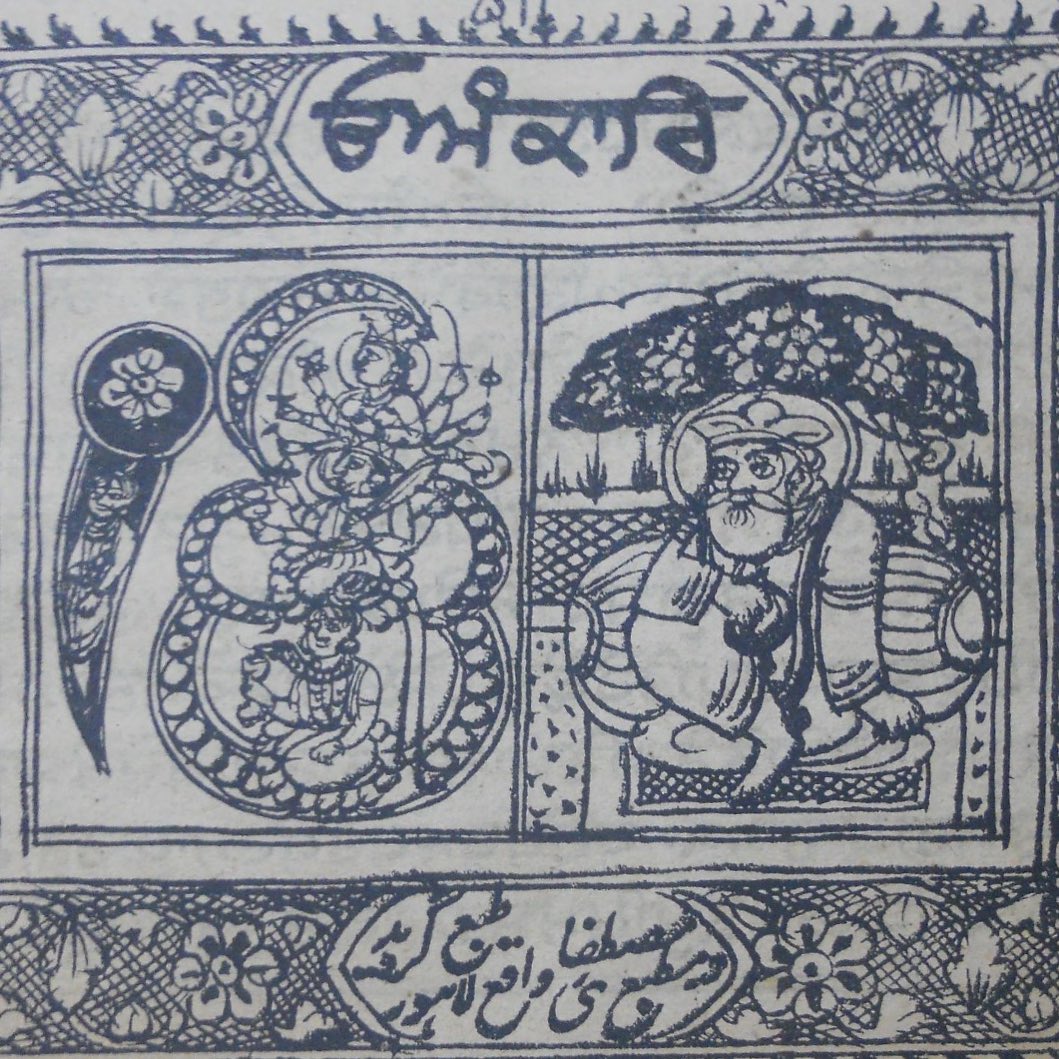
A word-by-word reading of the Mul Mantar, the creed that opens the Guru Granth Sahib, where Ik Onkar comes from, what the symbol means, and why it matters.
The opening affirmation
Ik Onkar affirms one creative reality, often rendered as One Creator or One Universal Being. It is the first utterance of the Mul Mantar, the compact creedal statement that opens the Guru Granth Sahib on Ang 1 (Sikhs call the scripture’s pages angs, “limbs”). From there it radiates outward into Sikh life: sung in kirtan, painted above gurdwara doorways, printed on wedding invitations, worn on pendants.
What it resists
The affirmation challenges arrogance based on birth, sectarian pride, or the fantasy that the Divine belongs to one faction. If there is only One, no community owns it and no caste stands closer to it. Sikh teaching consistently pairs this metaphysical claim with an ethical one: remembrance and honest living matter more than ritual display performed for status.
The Mul Mantar, word by word
The Mul Mantar (“root formula”) is brief enough to memorize and dense enough to repay a lifetime of study. In the Gurmukhi original it runs: Ik Onkar, Sat Nam, Karta Purakh, Nirbhau, Nirvair, Akal Murat, Ajuni, Saibhang, Gur Prasad. Taken phrase by phrase:
Ik Onkar. Ik is simply the numeral one, and in the written symbol it appears as a digit, not a word, a point we return to below. Onkar (or Oankar) is related to the older Sanskrit omkara, the primal syllable Om, but the Sikh usage insists on the prefix: not the One among others, not a first among equals, but One without a second.
Sat Nam. “Whose name is Truth.” Sat descends from the Sanskrit satya, that which truly exists. The Divine’s very identity is reality itself, not a sectarian label.
Karta Purakh. “The Creative Being.” Karta means doer or maker; purakh echoes the Sanskrit purusha, the cosmic person. The One is not an abstraction but an active, creating presence.
Nirbhau, Nirvair. “Without fear, without enmity.” These two negations do quiet moral work. A being with no rivals has nothing to fear and no one to hate, and those who remember such a being have poor excuses for living by fear and grudge themselves.
Akal Murat. “Timeless form”, a being whose image is beyond time (akal, “un-time,” the same word that gives Sikhs the exclamation Sat Sri Akal and the name of the Akal Takht in Amritsar).
Ajuni. “Unborn”, never entering the womb, never taking incarnation. This phrase marks a genuine theological boundary with traditions centered on divine avatars: in Sikh teaching, the One does not descend into particular bodies.
Saibhang. “Self-existent,” from the Sanskrit svayambhu. Nothing caused the One; the One causes.
Gur Prasad. “Known by the Guru’s grace.” The creed ends by admitting that none of the above is grasped by cleverness alone. Understanding is a gift, mediated by the Guru, for Sikhs today, the Guru Granth Sahib itself.
Translations vary, and honestly so. Sant Singh Khalsa’s widely used English rendering opens “One Universal Creator God”; other translators prefer “One Reality Is” or “There is one Supreme Being.” The variety is a reminder that a nine-phrase Punjabi creed will not sit still inside any single English sentence.
Where Japji Sahib takes it
The Mul Mantar does not float alone. It opens Japji Sahib, the meditation attributed to Guru Nanak that occupies the first eight angs of the Guru Granth Sahib, thirty-eight stanzas (pauris) framed by opening and closing verses. Devout Sikhs recite Japji Sahib each morning, which means the Mul Mantar is, for millions of people, literally the first theology of the day.
Japji Sahib immediately puts the creed to work. Its first stanza asks the question the Mul Mantar provokes: if the One is true and self-existent, how does a limited human being become truthful? Nanak’s answer. hukam rajai chalna, walking in accord with the divine order, turns metaphysics into a daily discipline. Later stanzas dismantle the alternatives one by one: silence alone will not do it, fasting alone will not do it, cleverness “though one thinks a hundred thousand thoughts” will not do it. What remains is remembrance, gratitude, and alignment of one’s will.
A numeral, not a letter
Look closely at the symbol ੴ and you will see it begins with the Gurmukhi digit ੧, the number 1, flowing into an open, extended form of the letter oora. The choice of a numeral is deliberate and often remarked upon: numbers are not open to allegorical multiplication. One means one.
That compact glyph has become the most recognizable mark of Sikh visual culture. Calligraphers render it in gold on the canopies that shelter the scripture; it appears on the domes and doorways of gurdwaras, at the head of formal letters and wedding cards, in jewelry and vehicle decals across the Punjabi diaspora. Inside the scripture itself, Ik Onkar recurs as a header throughout, a shortened invocation opens each new raga section, so a reader turning the angs meets the One again and again, the way a traveler keeps meeting the same north star.
It is worth saying plainly: Ik Onkar is not a logo. When it appears on a T-shirt or a tattoo, it is carrying a theological claim with social teeth, and communities notice when it is used carelessly.
Living consequences
If the Creator is One, then human dignity cannot be rationed by caste prejudice. The clearest institutional expression of this is langar, the community kitchen where everyone, whatever their birth, wealth, or religion, sits in the same rows and eats the same food. Remembrance of the Name (simran) and honest labor (kirat karo) translate the same unity into a daily schedule: if all people answer to one Maker, there is no one it is safe to cheat and no work that is beneath dignity.
The negations matter here too. Nirbhau and nirvair, fearless, without enmity, became a Sikh ethical ideal, invoked in later history by those who defended religious freedom even for communities not their own.
Learning as a guest
Non-Sikhs who wish to understand Ik Onkar should start where Sikhs start: hear Japji Sahib recited or sung, read the Mul Mantar in two or three translations side by side, and visit a gurdwara respectfully to see the theology enacted in worship and in the kitchen. Our guide to how the Guru Granth Sahib is organized offers a fuller orientation to the scripture in which this affirmation lives. The creed takes seconds to recite; Sikhs would say the rest of a life is for verifying it.