Festivals

Seasonal observances carry story, ethics, and community. These essays explain meaning and practice without turning celebration into clickbait.

Looking for dates? See the festival calendar for 2026–2027.

How to use these festival guides

Most Dharma festivals follow lunar or lunisolar calendars, so their dates move against the Gregorian calendar from year to year and sometimes differ by a day between regions. Each guide explains the story behind the festival, what people actually do at home and in public, and the ethical point the observance is meant to renew. For exact upcoming dates, see our Dharma festival calendar.

By season

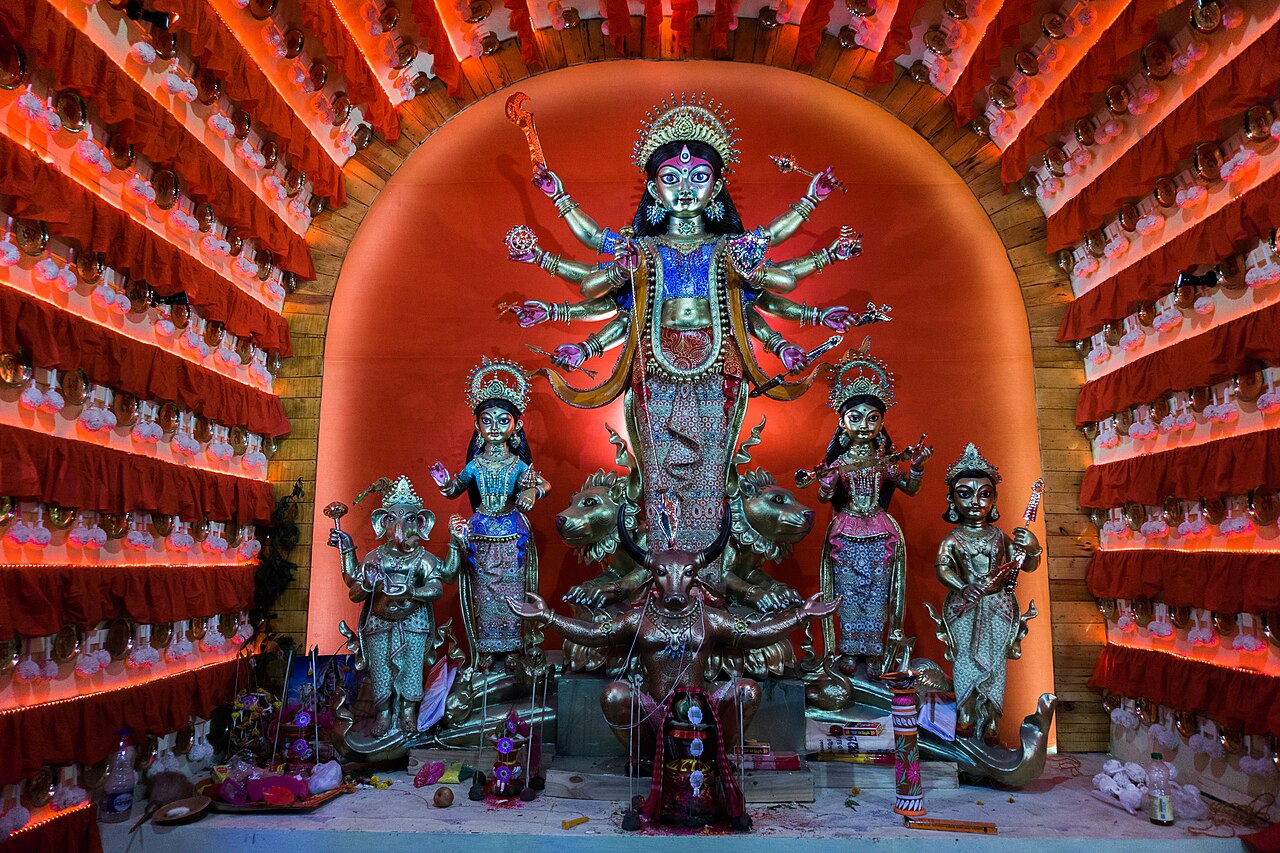
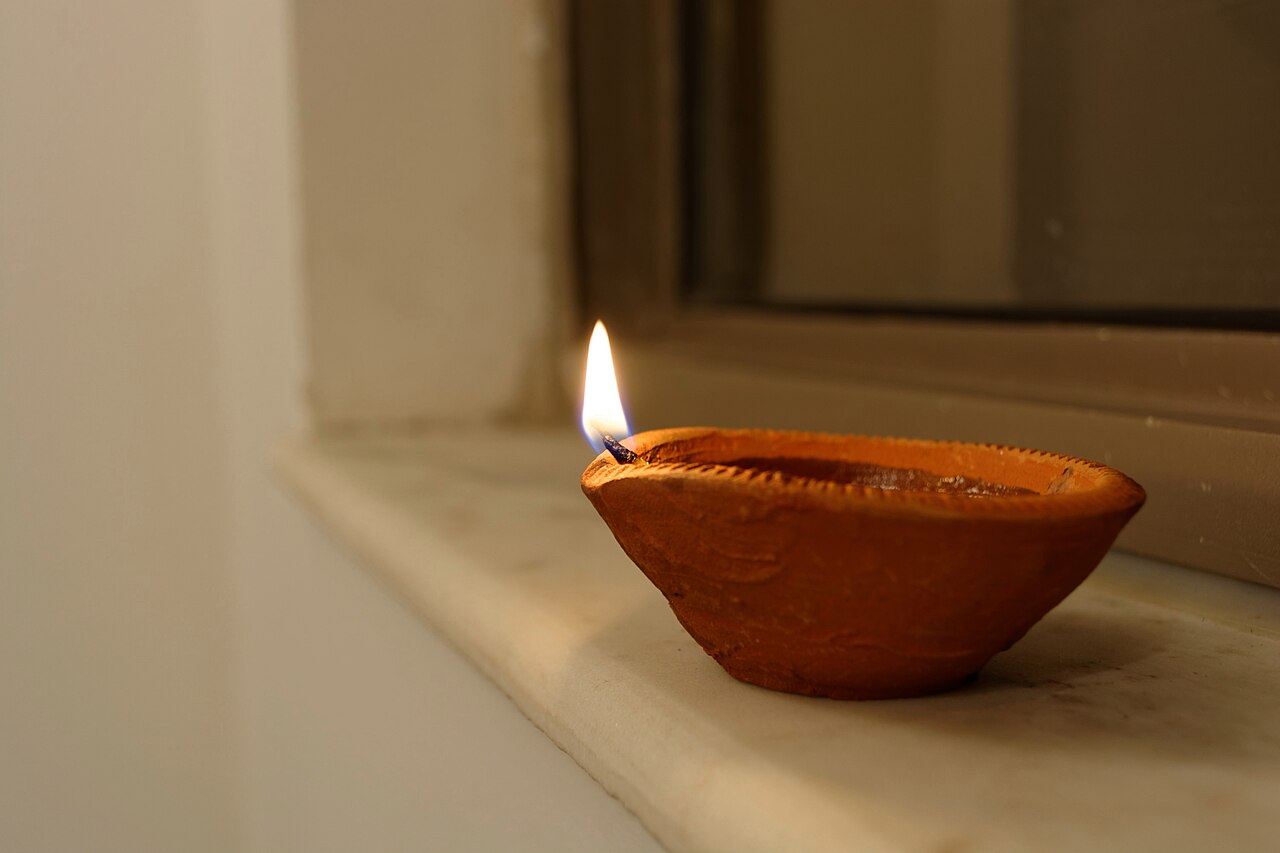
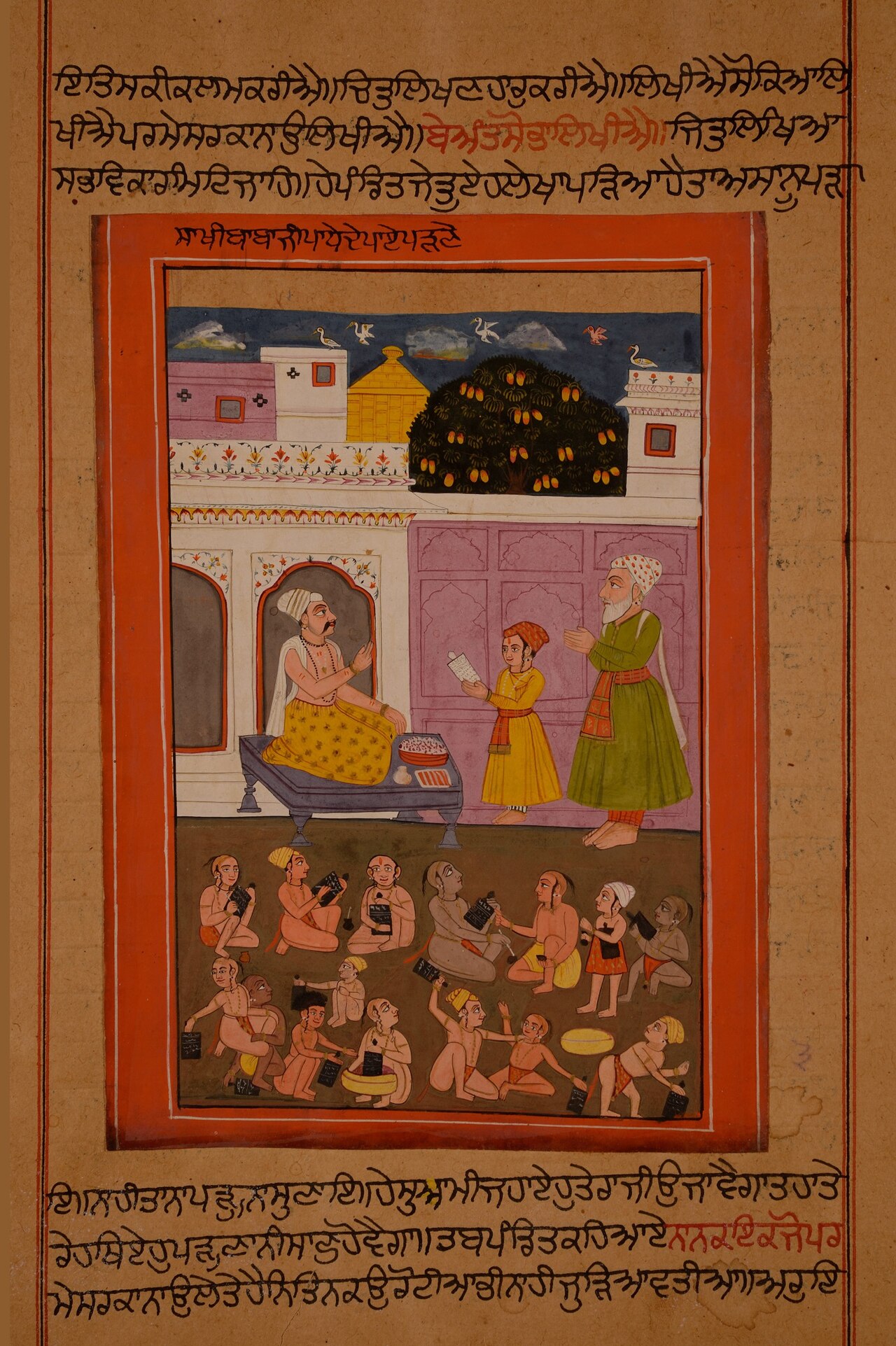
  • Autumn: Navaratri (nine nights honoring the Goddess, ending in Dussehra), then Diwali, which Hindus, Jains, and Sikhs each mark with their own meaning, and Guru Nanak Gurpurab on the full moon of Kartik.
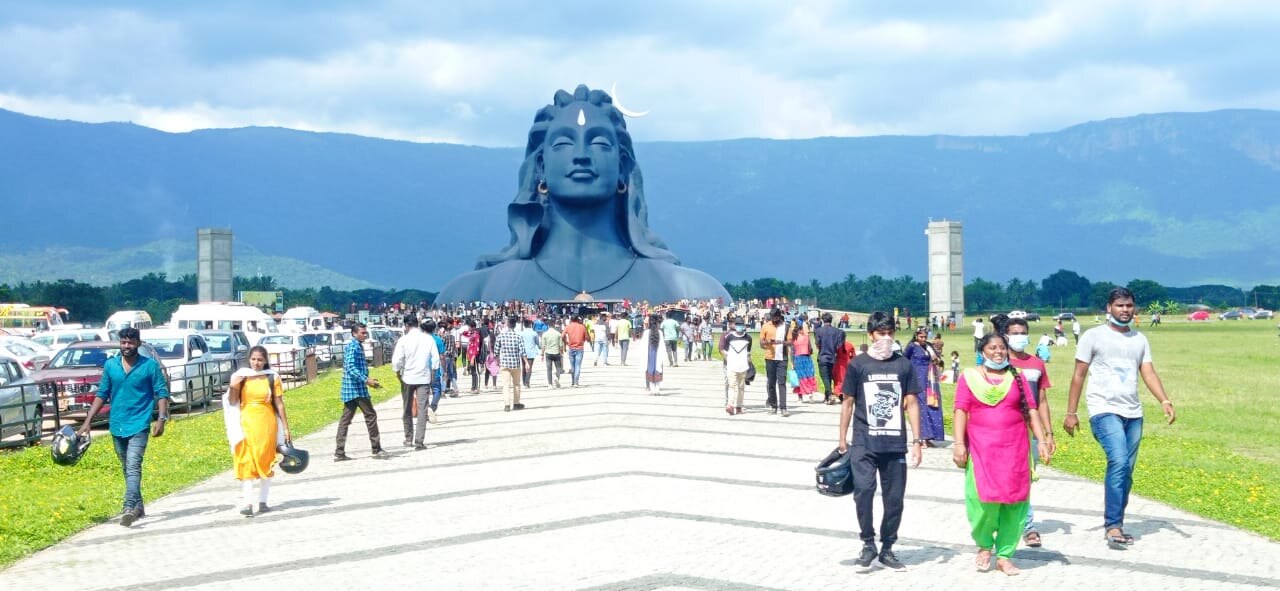
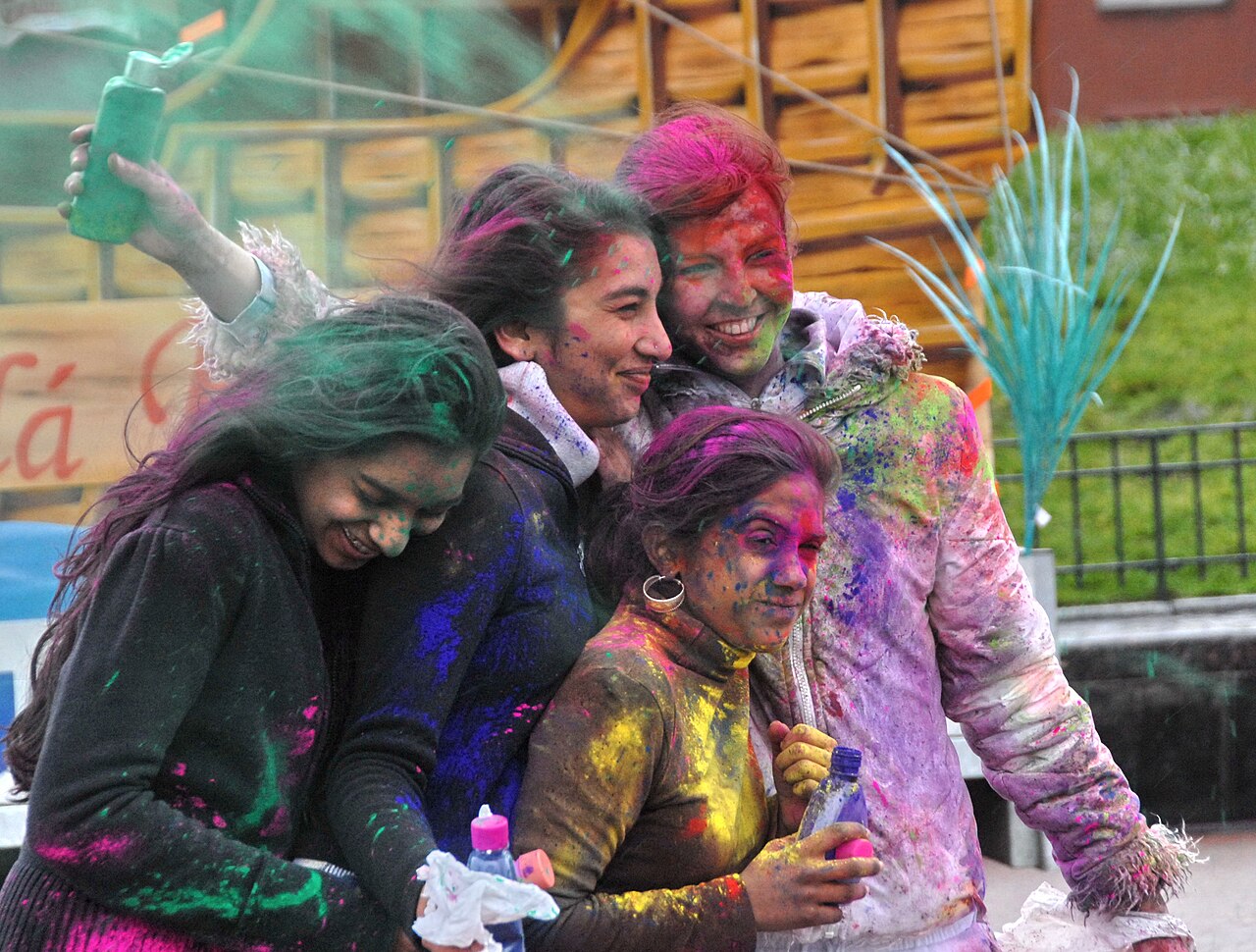
  • Late winter and spring: Mahashivratri, the great night of Shiva, followed by Holi, the festival of colors at the spring full moon.
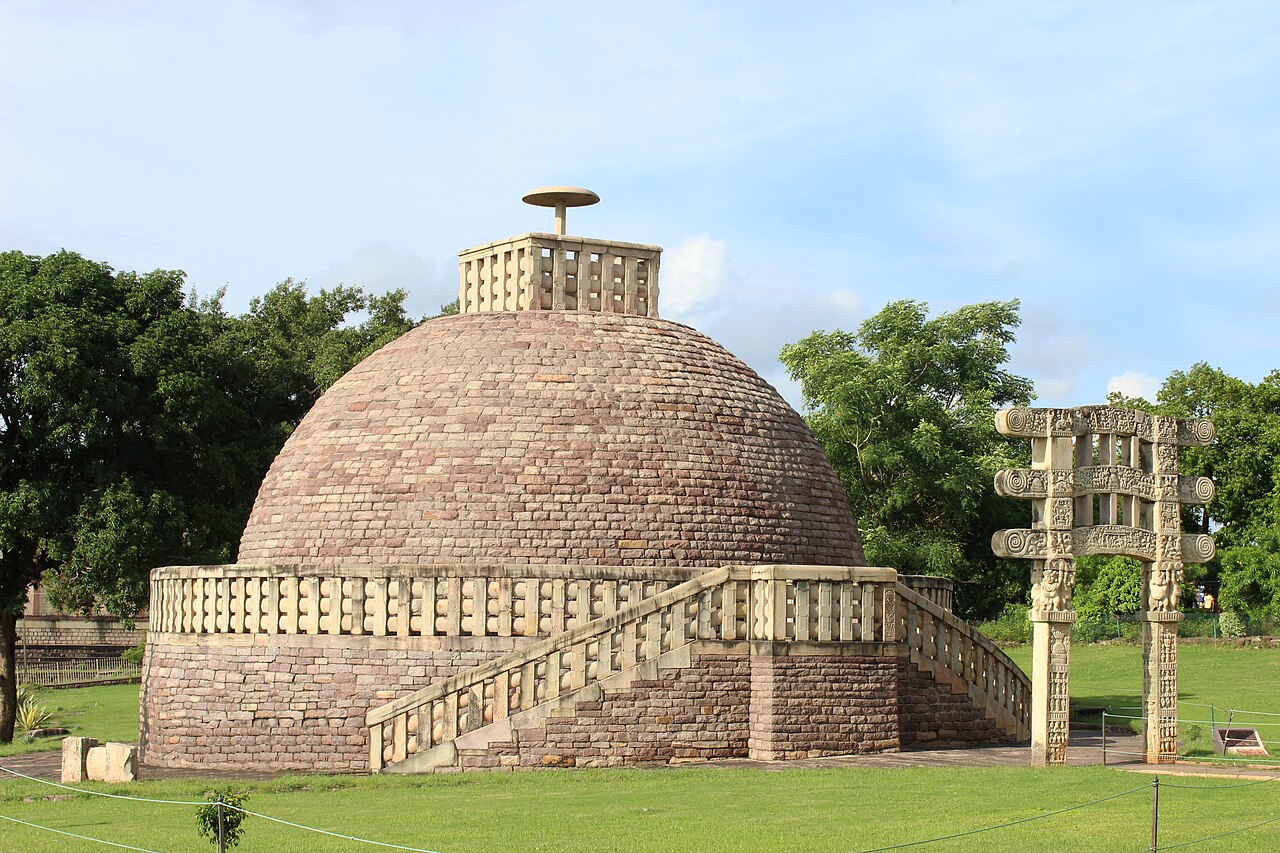
  • Early summer: Vesak (Buddha Purnima), marking the Buddha's birth, awakening, and passing.
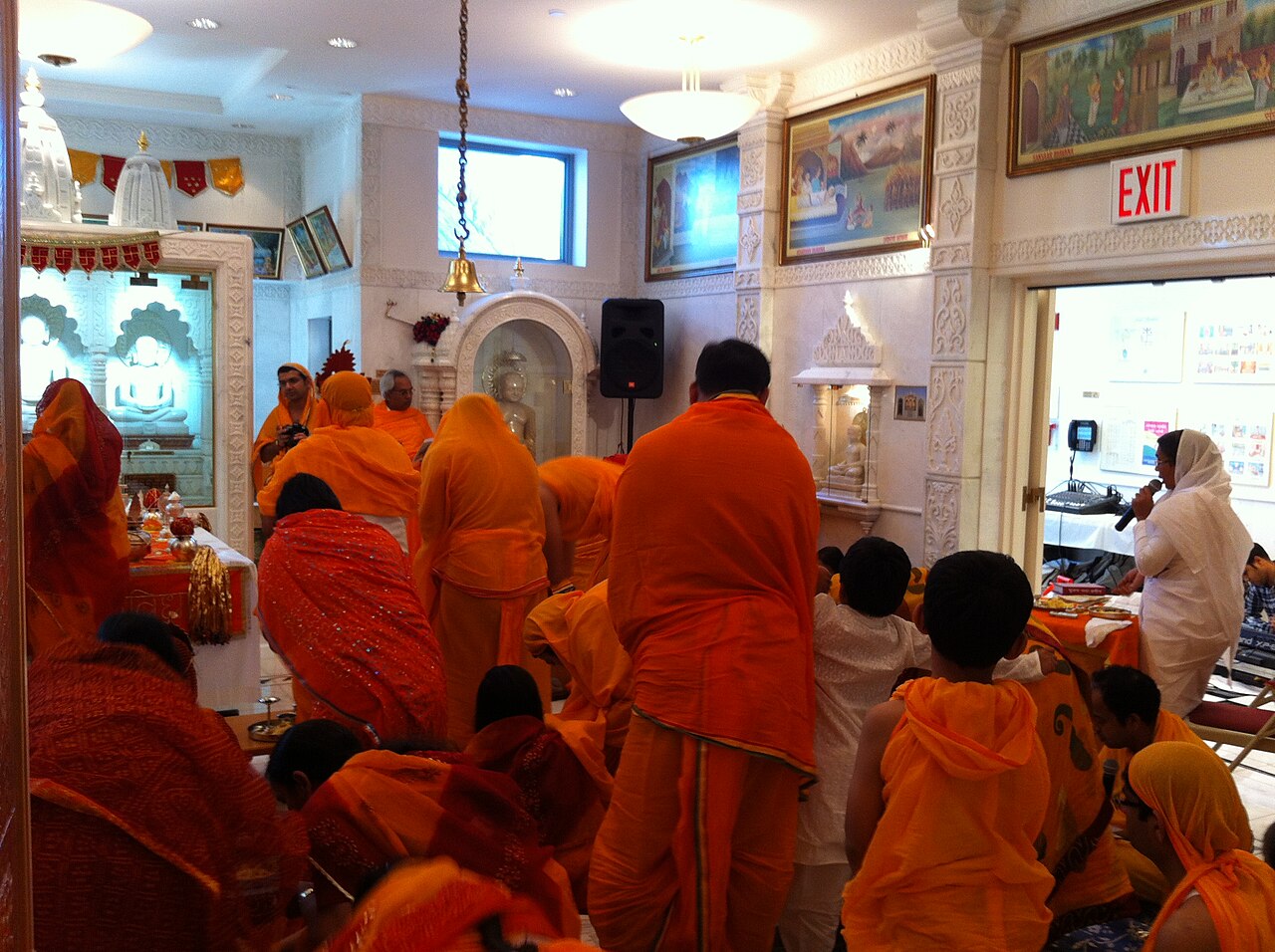
  • Monsoon: Paryushana, the Jain season of fasting, study, and asking forgiveness.

A note on visiting

Festivals are often the moment outsiders are invited in. The same courtesy applies everywhere: dress modestly, follow local custom on shoes and head coverings, ask before photographing worship, and accept food offered as prasad or langar gratefully. Our guides to temple etiquette and visiting a gurdwara cover the details.