Sikhism

One Creator, honest work, and seva through Guru Nanak’s teaching.

A reading path through Sikhism

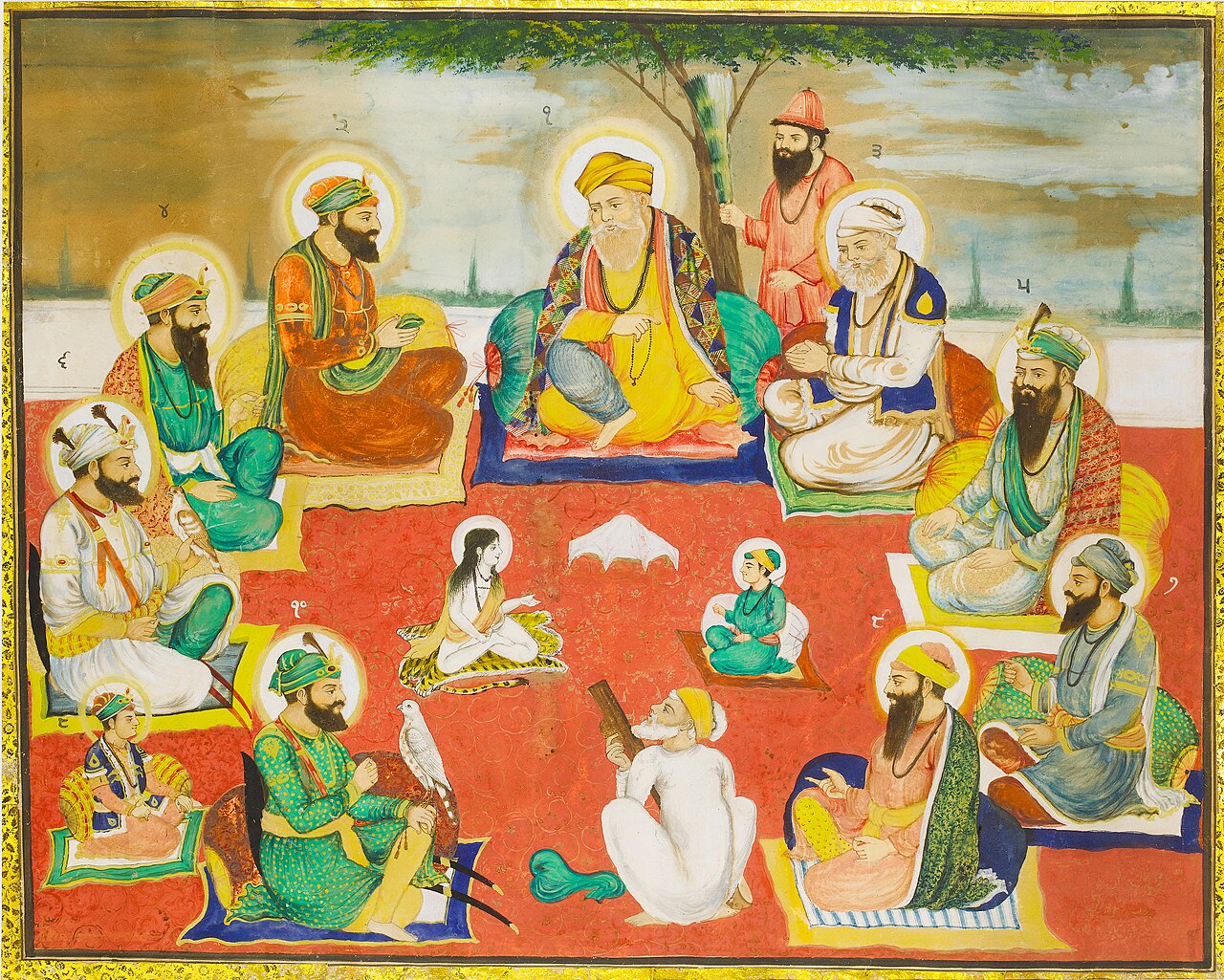
Sikhi began with Guru Nanak (1469–1539) in the Punjab and developed through ten human Gurus before authority passed, in 1708, to the scripture itself, the Guru Granth Sahib, and to the community of initiated Sikhs, the Khalsa Panth. Its core is simple to state and demanding to live: remember the one Creator, earn honestly, and share with others.

  1. The founder's message. Guru Nanak's Message introduces naam japna (remembrance), kirat karni (honest work), and vand chhakna (sharing).
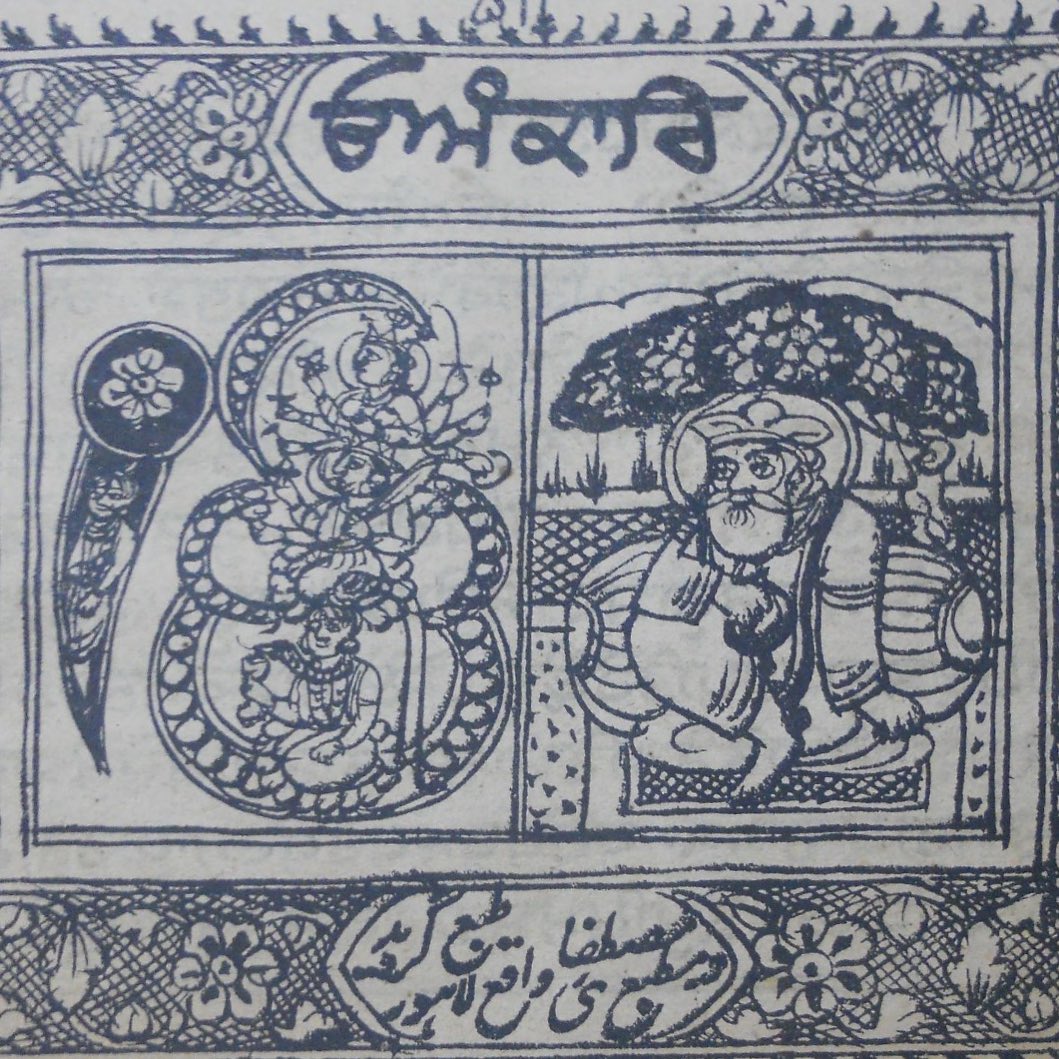
  2. The opening words of the scripture. Ik Onkar unpacks the affirmation of one Creator that begins the Guru Granth Sahib.
  3. The scripture itself. The Guru Granth Sahib explains how the text is organized by musical raga and why it includes Hindu and Muslim saints alongside the Gurus.
  4. Visible commitments. The Five Ks explains the articles of faith initiated Sikhs carry.
  5. Equality in practice. Langar and Visiting a Gurdwara show how the free community kitchen and the gurdwara put the teaching into action, and what guests should know before they go.

Sikh terms are Punjabi and are written in the Gurmukhi script; we give common romanized spellings, which vary. The celebration of Guru Nanak's birth is covered in Guru Nanak Gurpurab.