
Hinduism
Puja at Home: How Daily Hindu Worship Works
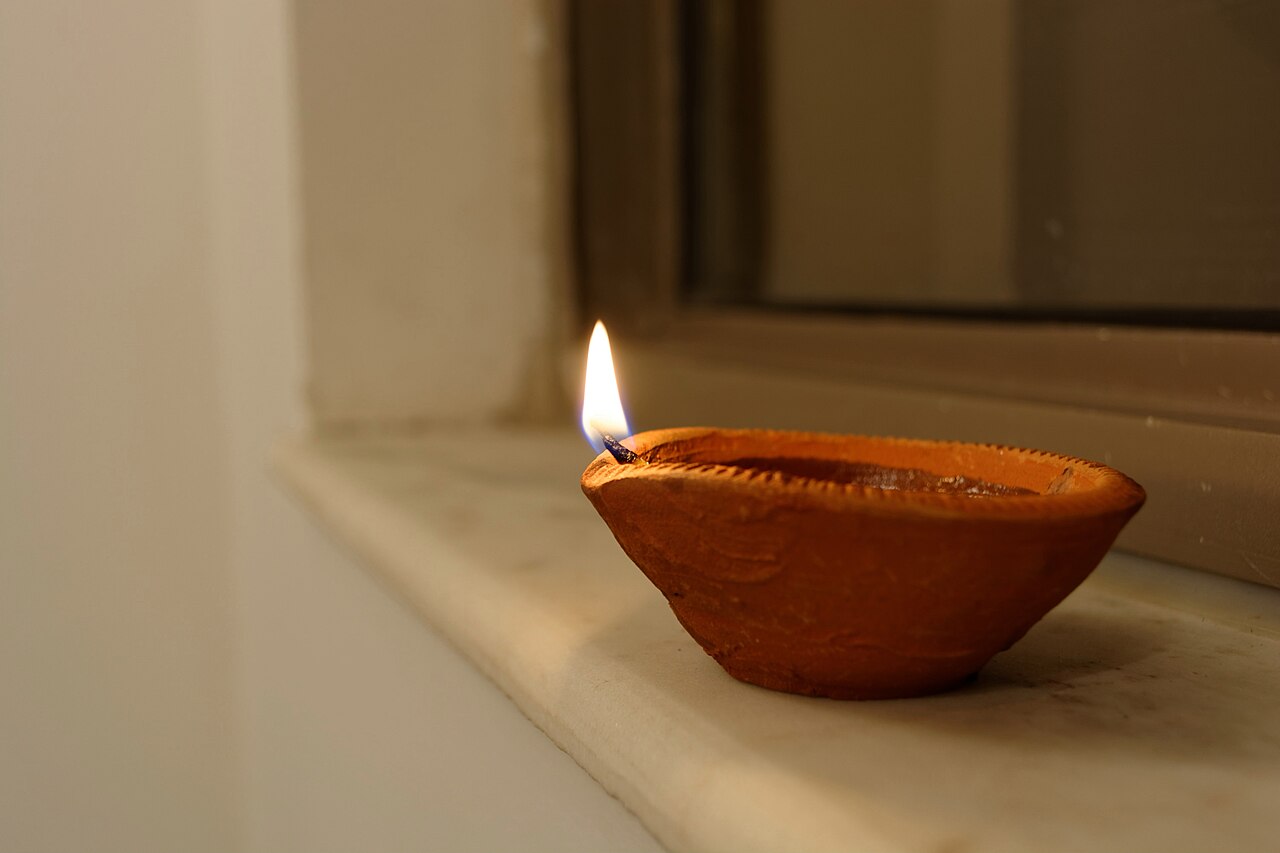
What a home altar is for, the basic steps of puja from invocation to arati, how families adapt daily worship, and how household ritual connects to temple darshan.
Most Hindu worship happens not in grand stone halls but in kitchens, bedrooms, and small shelves beside the front door. Puja, from the Sanskrit root meaning “to honor,” is the daily grammar of that worship: greeting the divine image, offering food and flowers, lighting a lamp, and closing with a prayer. Temples scale the same grammar up; home shrines scale it down. The logic is shared.
If you grew up outside a Hindu household, home puja can look improvised. Flowers in a steel bowl, incense from a corner shop, a printed calendar image taped to the wall. Look closer and the pattern is old. Classical manuals called puja paddhati (worship procedures) describe a sequence families have followed for centuries, adjusted for region, language, and the deities they hold dear.
What the home shrine is for
A home altar, often called a mandir or puja ghar, is a fixed place where the sacred is invited into ordinary life. It may hold one image or many: Ganesha for beginnings, Lakshmi for prosperity, Shiva or the family ishta devata (chosen deity). Some households keep a framed photograph of a guru or a pilgrimage shrine. The point is not decoration but presence.
Diana Eck’s study of darshan, the mutual “seeing” between devotee and deity, applies as much to a brass Ganesha on a shelf as to a temple sanctum. You arrange the image so it can be “seen” and can “see” you. Offerings are placed before it; the lamp is waved so light reaches the face. Worship at home is darshan in miniature, the same relationship compressed into daily minutes.
That compression matters. Temple visits require travel, queues, and festival crowds. Home puja keeps the thread continuous: morning before work, evening after dinner, a lamp on Diwali or a fast day during Navaratri. Ritual becomes rhythm.
The basic sequence
Exact steps vary by region and family tradition, but a simple daily puja usually moves through recognizable stages. Think of them as a conversation, not a checklist to rush.
Preparation. Hands and face are washed; many people change into clean clothes. The altar is tidied, old flowers removed, fresh water poured into a small cup. A bell may ring to mark the start.
Avahanam (invitation). The worshiper mentally or verbally invites the deity to be present in the image. In fuller ritual this includes Sanskrit verses; in many homes a short prayer in the family language suffices. The image is treated as a honored guest arriving.
Upachara (offerings). Traditional lists count sixteen (shodashopachara) or five (panchopachara) items: a seat, water for washing feet and mouth, clothing, flowers, incense, lamp, food, betel leaf, prostration. Daily practice often reduces this to flowers, incense, a lamp, and a little food (naivedya), fruit, milk, or cooked rice. Each item is presented with the right hand, often accompanied by a mantra or the deity’s name repeated.
Dhyana and stotra (meditation and praise). A quiet moment of focus, then a hymn or chapter from scripture. Families might recite the Hanuman Chalisa, a few verses of the Bhagavad Gita, or a simple namaskar (“I bow to you”). This is where mindfulness and ritual meet: the words give the mind something to hold while the body stays still.
Arati. A lamp with camphor or ghee is circled before the image, usually clockwise, while a short arati song is sung. The arati flame is then passed before the worshiper’s eyes and sometimes over the heads of family members, a gesture of receiving blessing. Bells ring; conches may blow on special days.
Prasad and closing. Offered food becomes prasad, sanctified and shared. Everyone present may eat a small portion. The worshiper asks forgiveness for errors in the ritual (“If I forgot a step, please accept the intention”) and bids the deity farewell if the image is treated as departing, though many household images are considered permanently resident.
None of this requires priestly ordination. Klostermaier notes that in Hindu practice the householder traditionally performs domestic rites; priests are called for life-cycle ceremonies (samskaras) and temple liturgies that demand specialized training. Daily puja belongs to the family.
What changes from house to house
Regional style shows up in details. In many South Indian homes, a brass or silver kuthuvilakku (oil lamp) stays lit morning and evening. Bengali households may offer fresh water and tulsi leaves to Krishna or the goddess Kali. Gujarati families often begin business ledgers with a puja to Lakshmi and Ganesha. North Indian homes frequently keep a shivalinga or framed poster of Vaishnava deities.
Language shifts too. Mantras may be Sanskrit, Hindi, Tamil, Marathi, or English when children are learning. What stays constant is the structure: honor, offer, see, receive, share.
Frequency also varies. Some families perform full puja twice daily without fail. Others light a lamp and say a brief prayer on busy weekdays, saving longer worship for Sundays or festivals. Both are normal. The Bhagavad Gita’s reassurance that God accepts “a leaf, a flower, fruit, or water” offered with devotion (9.26) has long licensed simplicity when time is short.
How home puja relates to the temple
Home worship and temple worship are partners, not rivals. The temple provides consecrated images, community festivals, and the expertise of trained priests performing elaborate agamic rites. The home provides continuity and intimacy. Many families bring temple prasad back to the altar, or carry water from a sacred river to bathe their household images.
If you have visited a temple, you will recognize home gestures: the same clockwise circumambulation (pradakshina), the same offering of light, the same hands folded at the chest. Our guide to temple etiquette explains how those acts work in public space; at home you set the pace yourself.
Starting without pretending to be expert
Beginners sometimes hesitate, fearing they will “do it wrong.” Traditions answer this in two ways. First, intention (bhava) weighs heavily: a sincere short prayer outweighs a rote performance done without attention. Second, families learn by watching elders, not by reading manuals alone. If you are new, start small: a clean shelf, one image, a lamp, fresh flowers when you can manage them, two minutes of quiet before the day begins.
Ask someone who already keeps a home shrine if you can observe their morning or evening puja. Notice the order, not to copy every mantra but to see the shape of the practice. Add steps as you grow comfortable.
Puja at home is how millions of Hindus keep dharma in the texture of ordinary time: cooking breakfast, leaving for school, returning tired at night. The altar is a reminder that the sacred is not elsewhere only. It is here, in the room where life actually happens, honored with a lamp, a flower, and a few minutes of attention.