
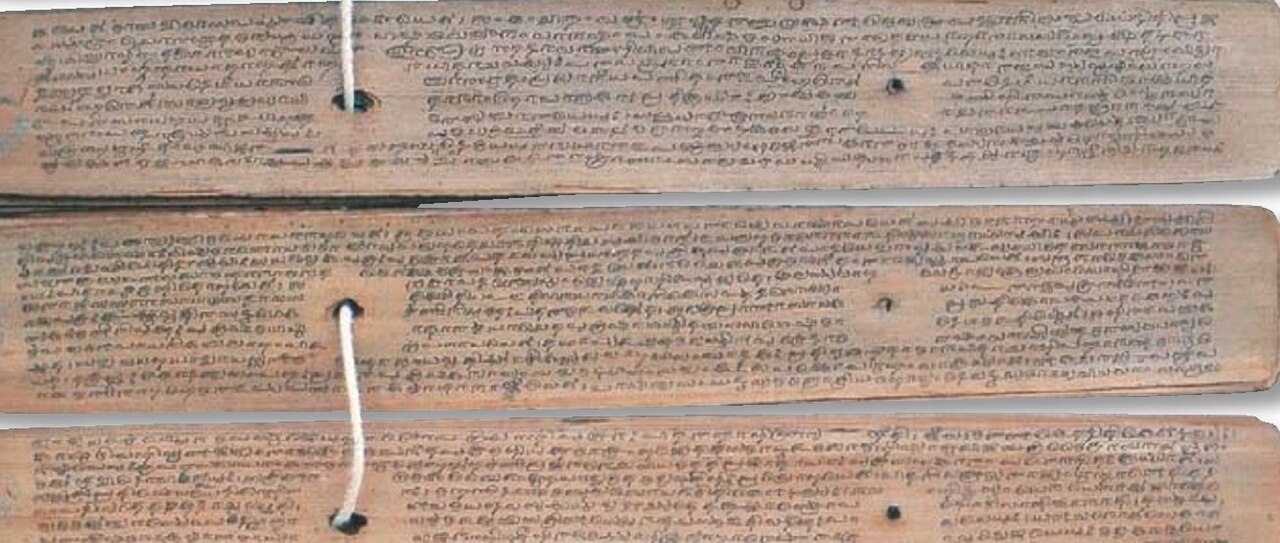
Hinduism
The Four Aims of Life: Dharma, Artha, Kama, Moksha
How Hindu thought names four legitimate human goals, why they must be ordered rather than ranked as rivals, and how classical texts from the Manusmriti to the Kamasutra treat each aim.
Sanatan Dharma: the Gita, temples, yoga philosophy, and living practice.
How Hindu thought names four legitimate human goals, why they must be ordered rather than ranked as rivals, and how classical texts from the Manusmriti to the Kamasutra treat each aim.
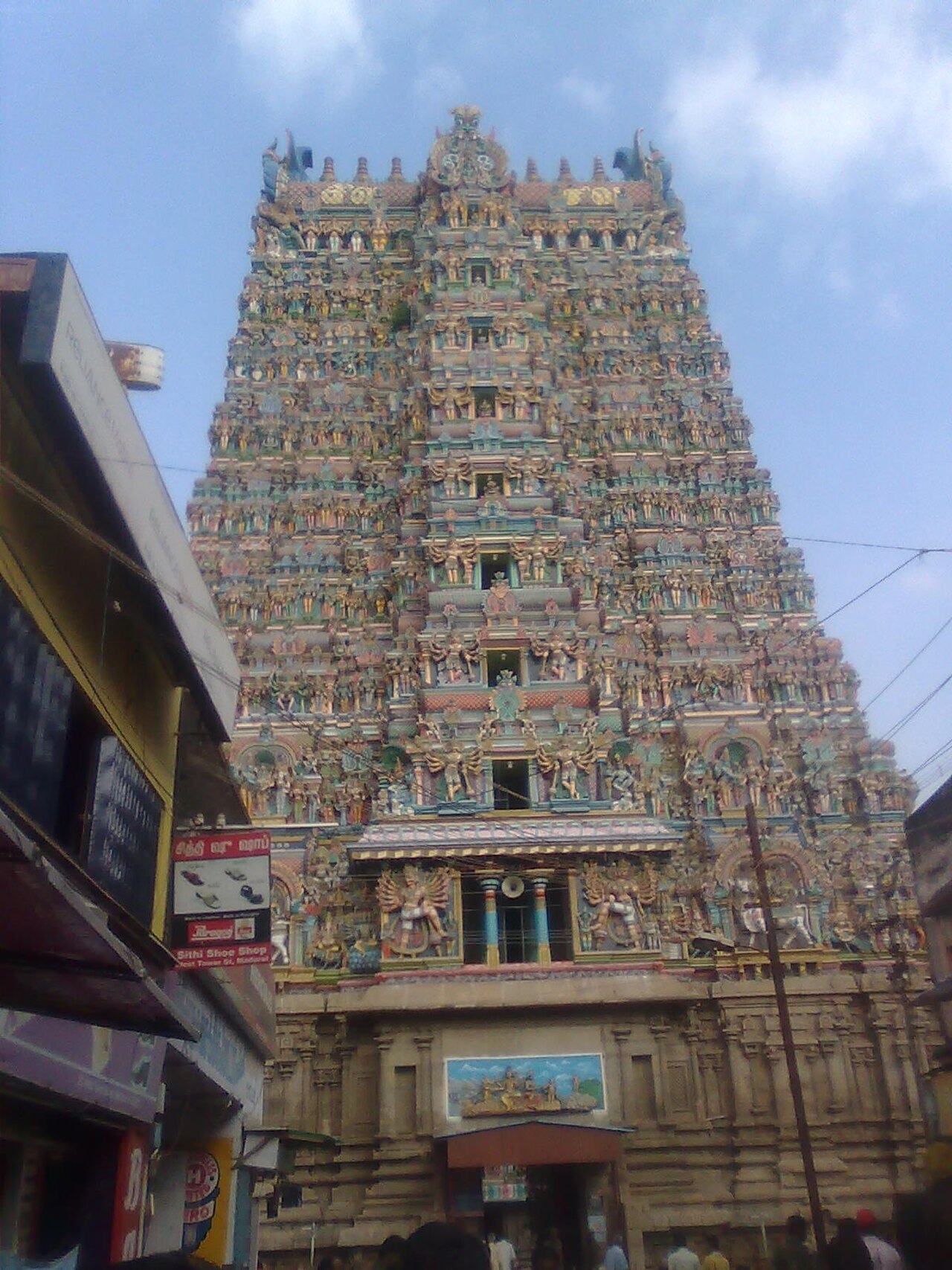
From the Rig Veda's 'Truth is One' to temple worship of many forms, how Hindu traditions hold unity and multiplicity through Brahman, saguna and nirguna, ishta devata, and the major devotional paths.

What a home altar is for, the basic steps of puja from invocation to arati, how families adapt daily worship, and how household ritual connects to temple darshan.
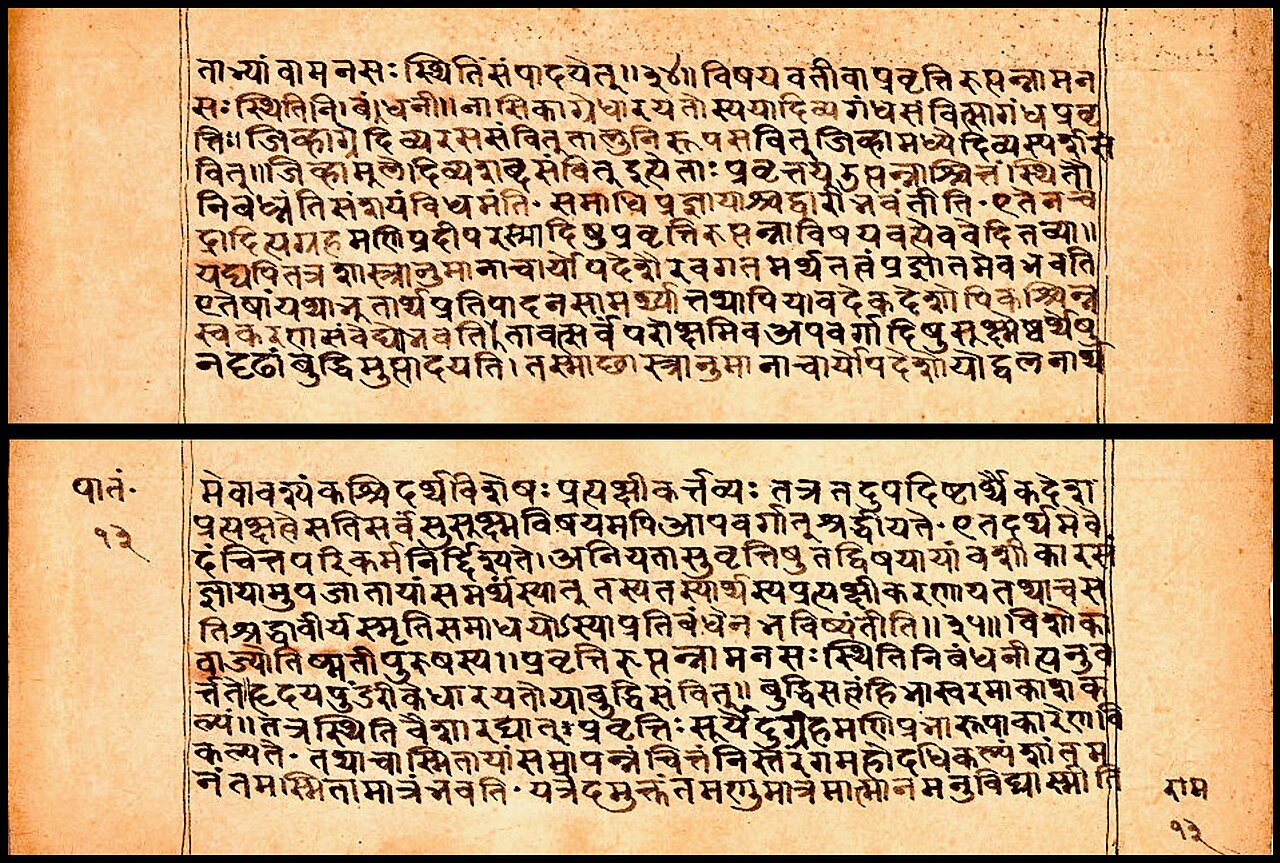
Asana is one limb of eight. How Patanjali's Yoga Sutras, the Upanishads, and the Bhagavad Gita frame yoga as a complete discipline of ethics, breath, and mind.

Darshan, pradakshina, prasad, dress codes, and photography, a practical guide to visiting Hindu temples with care, including regional differences and advice for non-Hindu guests.

Where the Gita sits in the Mahabharata, what its 18 chapters teach about action, knowledge, and devotion, and which translations beginners can trust.
"Hinduism" is a modern umbrella word for a family of traditions that many practitioners call Sanatana Dharma, the eternal way. There is no single founder, creed, or governing body, so a newcomer does best by learning a few load-bearing ideas and then seeing how they show up in worship and daily life.
First, regional and family practice varies enormously. A Tamil Shaiva household, a Gujarati Vaishnava family, and a Bengali Shakta community may share festivals yet worship, eat, and pray quite differently. Second, the texts are not a single "bible". Shruti (revealed texts such as the Vedas and Upanishads) and smriti (remembered texts such as the epics, Puranas, and dharmashastras) carry different kinds of authority, and communities weigh them differently. Our articles try to name which tradition or text a claim comes from so you can tell the difference.