
Buddhism
The Noble Eightfold Path: Eight Factors, One Training
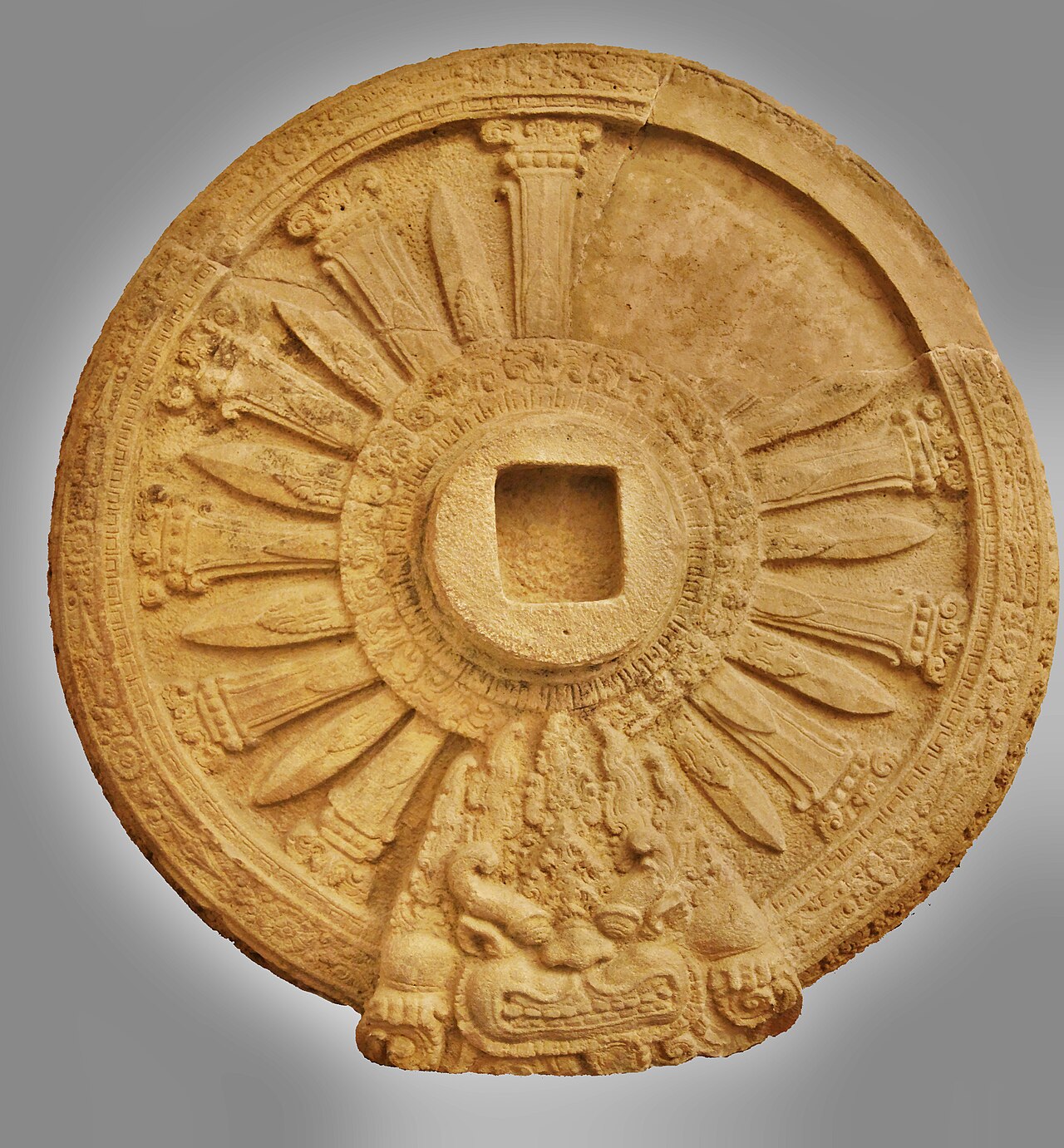
How the eight path factors group into ethics, meditation, and wisdom, with the Pali name and a concrete example for each, and why the path works as a spiral rather than a checklist.
Not eight separate hobbies
The Eightfold Path is often listed as discrete items, but classical teaching presents them as mutually supporting. Wise view without ethical speech becomes theory. Ethical action without mindfulness becomes brittle rule-following. Meditation without ethical foundations can destabilize. The canonical definitions of all eight factors are gathered in one short discourse, the Magga-vibhanga Sutta (SN 45.8), which repays reading in full, it runs barely a page.
The path’s original framing is worth recovering. In the first sermon (SN 56.11), the Buddha introduces it before anything else, as the middle way between two dead ends he had tested personally: indulgence in sense pleasure and self-mortification. The eightfold path is what that middle way consists of in practice, and it is itself the fourth of the Four Noble Truths, the treatment named inside the diagnosis. Its standard epithet, ariya atthangika magga, means the “noble eight-factored path”: factors of a single path, not eight paths in sequence.
Three trainings, eight factors
Buddhist tradition sorts the eight factors into three trainings: sila (ethical conduct), samadhi (meditative cultivation), and pañña (wisdom). The grouping is ancient, in the Culavedalla Sutta (MN 44), the nun Dhammadinna, praised by the Buddha as foremost in explaining the Dhamma, tells the layman Visakha that the eight factors are encompassed by these three aggregates of training. The standard list opens with the wisdom pair, but many teachers note that in lived practice ethics usually comes first: conduct steadies the mind, a steady mind sees clearly, and clear seeing deepens conduct.
The wisdom training (pañña)
Right view (samma-ditthi) is defined in SN 45.8 as knowledge of the Four Noble Truths, distress, its origin, its cessation, and the way. In daily terms: noticing that a resentment you are feeding is causing the very unease you blame on someone else is a small act of right view.
Right intention (samma-sankappa) is threefold: intention of renunciation, of goodwill, and of harmlessness. A concrete example is deciding, before a difficult conversation, that your aim is resolution rather than victory. “Right” throughout the list translates samma, aligned, in tune with liberation, not “righteous.”
MN 117 adds a distinction later tradition made much of: right view comes in two grades. There is a mundane right view, confidence that actions have consequences, that generosity and gratitude are not naive, which the sutta says “ripens in acquisitions,” meaning a better ordinary life; and there is the noble right view that penetrates the truths directly. Beginners work with the first while the second matures.
The ethics training (sila)
Right speech (samma-vaca) means abstaining from false, divisive, harsh, and idle speech. The modern test case is obvious: the message you almost sent, read once more before sending, and deleted.
Right action (samma-kammanta) covers abstaining from killing, taking what is not given, and sexual misconduct, the behavioral core shared with the five lay precepts.
Right livelihood (samma-ajiva) asks whether your income requires habitual harm. The Vanijja Sutta (AN 5.177) names five trades a lay follower should avoid: business in weapons, in living beings, in meat, in intoxicants, and in poison. Modern work rarely maps neatly onto that list, but the underlying question, what does my job normalize?, travels well.
The meditation training (samadhi)
Right effort (samma-vayama) is fourfold in the canonical definition: energy to prevent unarisen unwholesome states, to abandon arisen ones, to arouse unarisen wholesome states, and to maintain and mature the wholesome states already present. It is the difference between hoping a habit fades and actually declining to rehearse it, and on the constructive side, between admiring patience and deliberately practicing it.
Right mindfulness (samma-sati) is the four establishments of mindfulness, attending to body, feelings, mind, and mental phenomena, “ardent, clearly comprehending, mindful.” Its interplay with devotional life is a topic of its own; see our essay on mindfulness and ritual.
Right concentration (samma-samadhi) is defined in SN 45.8 as the four jhanas, progressively unified and refined states of meditative absorption. For a lay practitioner the entry point is humbler: ten minutes in which attention returns to the breath more often than it wanders to the calendar.
A spiral, not a checklist
It is tempting to treat the eight factors as stages to complete in order, but the texts resist that reading. In the Maha-cattarisaka Sutta (MN 117), right view is called the forerunner (pubbangama) of the whole path, and the discourse describes right view, right effort, and right mindfulness as “running and circling around” each of the other factors in turn. The image is circulatory, not sequential. A practitioner returns to right speech at age fifty with resources unavailable at twenty; deeper concentration exposes subtler dishonesty; each pass around the wheel cuts a finer groove. Bhikkhu Bodhi’s The Noble Eightfold Path, a short book freely available from the Buddhist Publication Society, develops this integrated reading factor by factor, and is probably the best single next step after the suttas themselves.
Practicing as a householder
Few readers are monastics. Householders practice the path in scaled form: honest work, careful speech online and offline, daily mindfulness minutes, and friendships that support clarity, the tradition calls that last support kalyana-mittata, good spiritual friendship, and it is one reason community matters even for solitary temperaments. The path is gradual for most people, and still demanding. A reasonable lay architecture is one factor per season: a quarter of attention to speech, a quarter to livelihood questions, a quarter to establishing a sitting habit, with view and intention as the standing background inquiry.
Measuring progress
Less reactivity, more honesty, steadier attention, and wider compassion are better signs than mystical claims. Buddhism trusts verified change over performance. The eight factors double as the measuring instrument: if a year of practice has not touched how you speak when tired, or what work you are willing to take, something in the training has come uncoupled, usually because one factor has been pursued in isolation from the other seven.