Buddhism

The path of awakening: truths, ethics, meditation, and compassion.

A reading path through Buddhism

Buddhism began with Siddhartha Gautama in north India around the fifth century BCE and spread across Asia into three broad streams: Theravada (Sri Lanka and Southeast Asia), Mahayana (East Asia), and Vajrayana (the Himalayas and Tibet). They share a core vocabulary, which is where these essays begin.

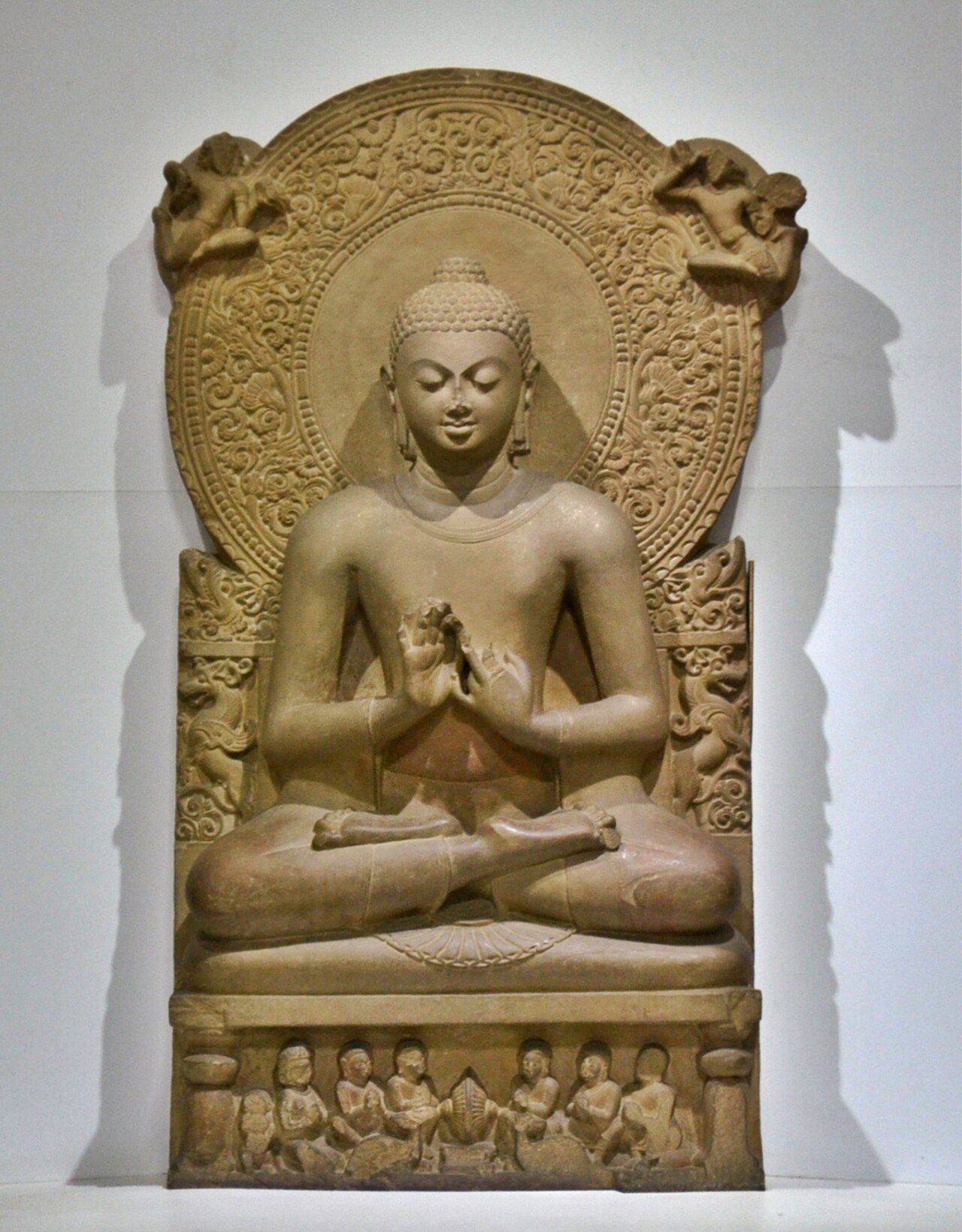
  1. The person. Who Was the Buddha? separates what early sources say from later legend, and explains why the story matters to practitioners.
  2. The diagnosis. The Four Noble Truths presents the Buddha's teaching as a physician's frame: symptom, cause, prognosis, cure.
  3. The cure in practice. The Noble Eightfold Path and The Five Precepts turn the diagnosis into ethics, meditation, and wisdom that lay people actually live by.
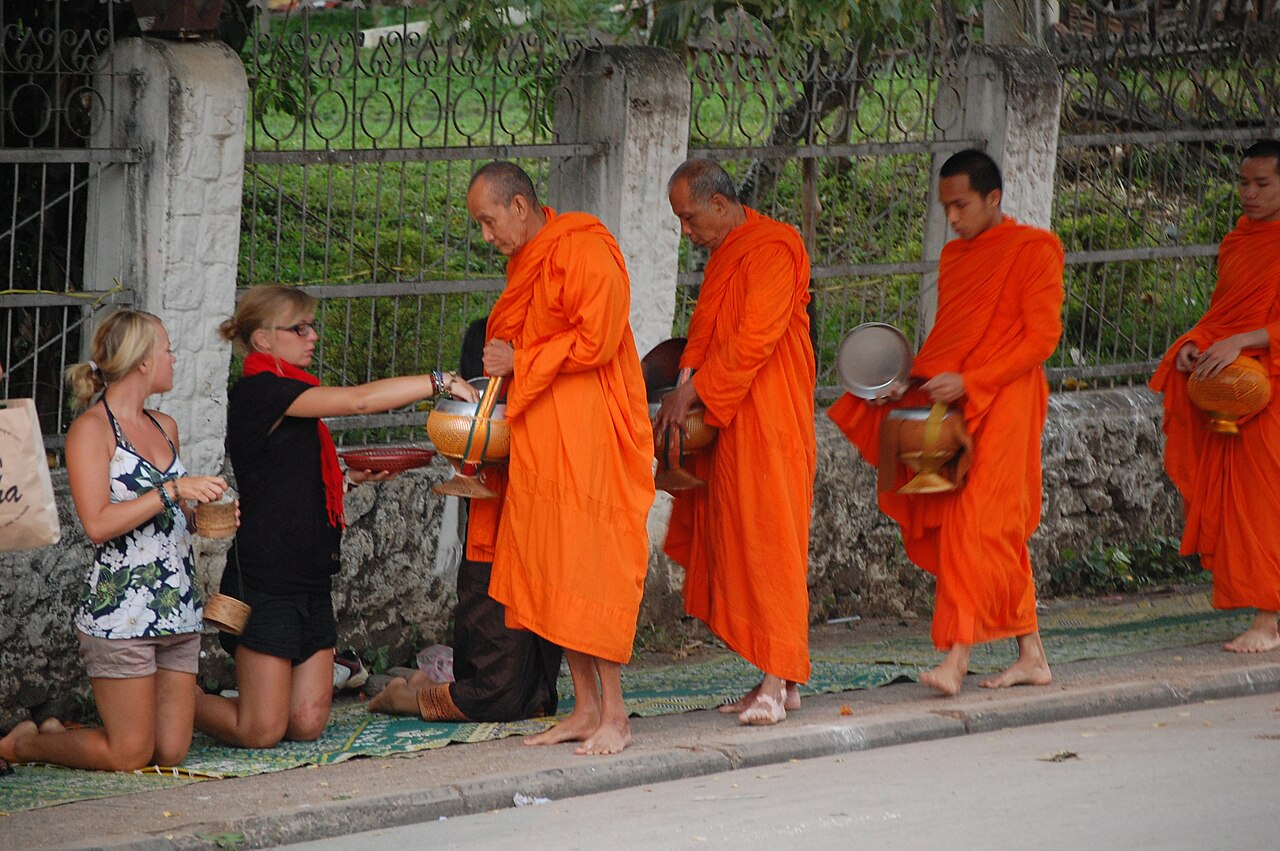
  4. Practice today. Mindfulness and Ritual questions the idea that "real" Buddhism is only meditation, and Reading the Dhammapada introduces the verse collection most readers meet first.

What to keep in mind

Terms such as dukkha (often translated "suffering") and anatta (not-self) lose nuance in English, so our essays give the Pali or Sanskrit word alongside the translation. We lean on early Pali sources available through SuttaCentral when quoting the Buddha, and we flag when a practice or interpretation belongs to a particular school rather than to Buddhism as a whole. For the festival that marks the Buddha's birth, awakening, and passing, see Vesak.