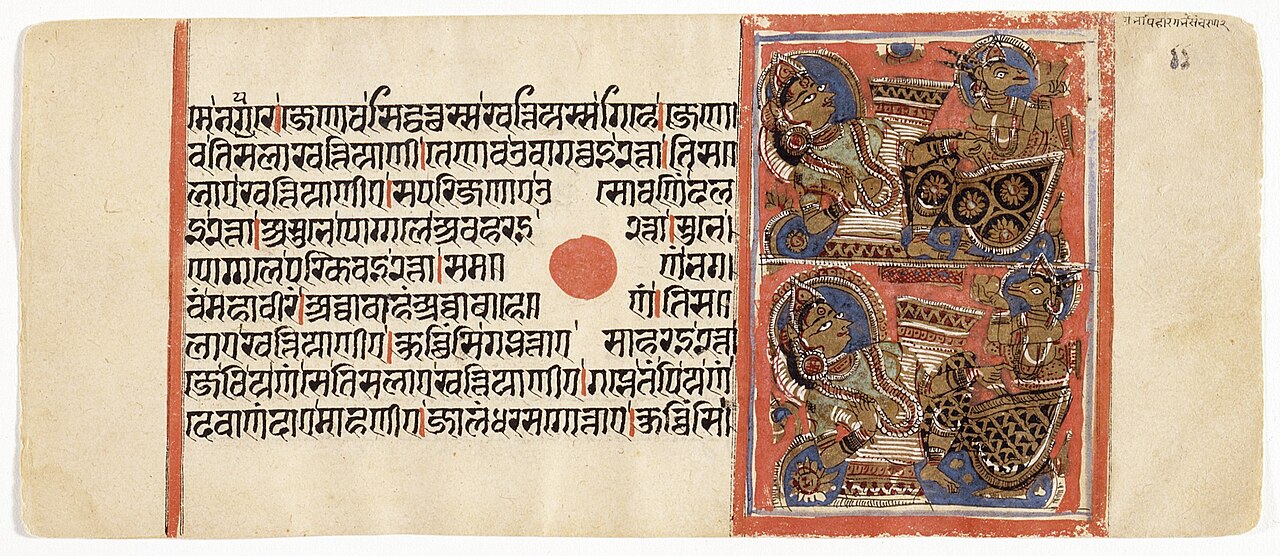
Jainism

Ahimsa at the center: vows, communities, and seasonal reflection.

A reading path through Jainism

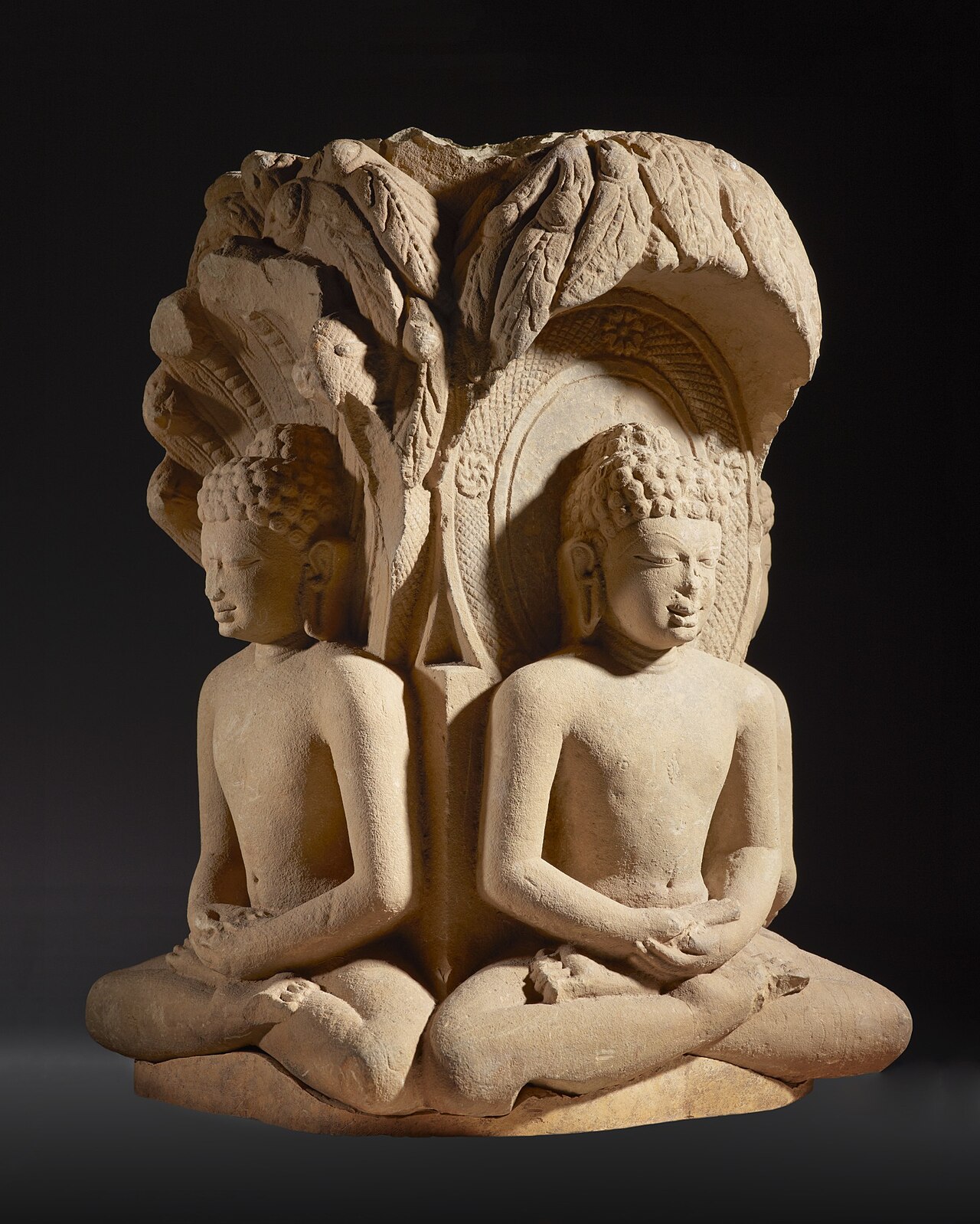
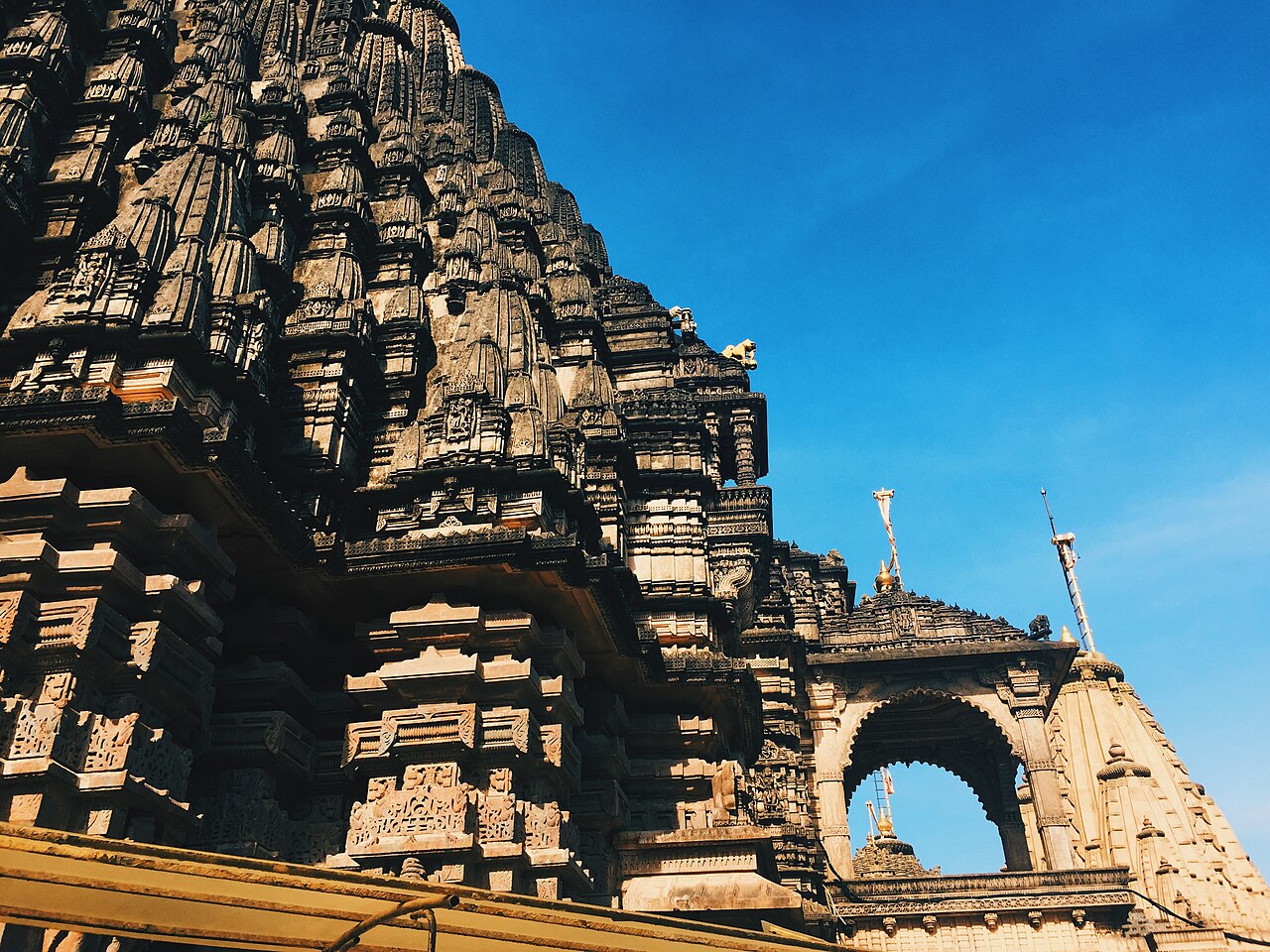
Jainism is one of the world's oldest continuously practised ethical traditions. Its 24 Tirthankaras ("ford-makers") culminate in Mahavira, a contemporary of the Buddha. Although Jains are a small community, mostly in western India and the diaspora, their ideas about non-violence and humility in knowledge have shaped Indian life far beyond their numbers.

  1. The central value. Ahimsa in Jain Thought shows how non-harm becomes a discipline of carefulness, not just a rule against violence.
  2. The vows. The Five Great Vows explains the mahavratas taken by monks and nuns, and the lighter anuvratas that lay Jains keep.
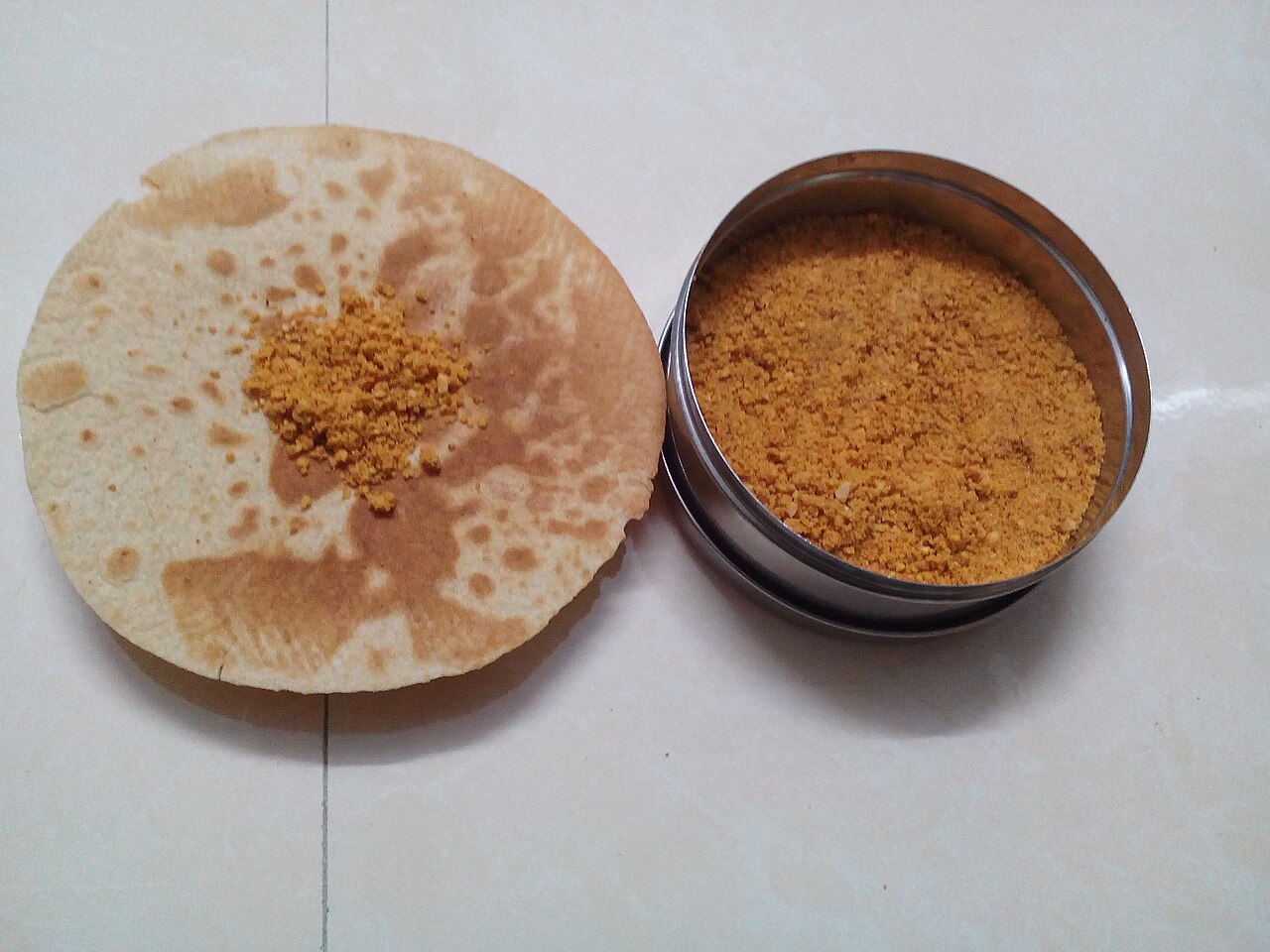
  3. Everyday consequences. Why Jains Eat the Way They Do explains the reasoning behind avoiding root vegetables and eating before sunset.
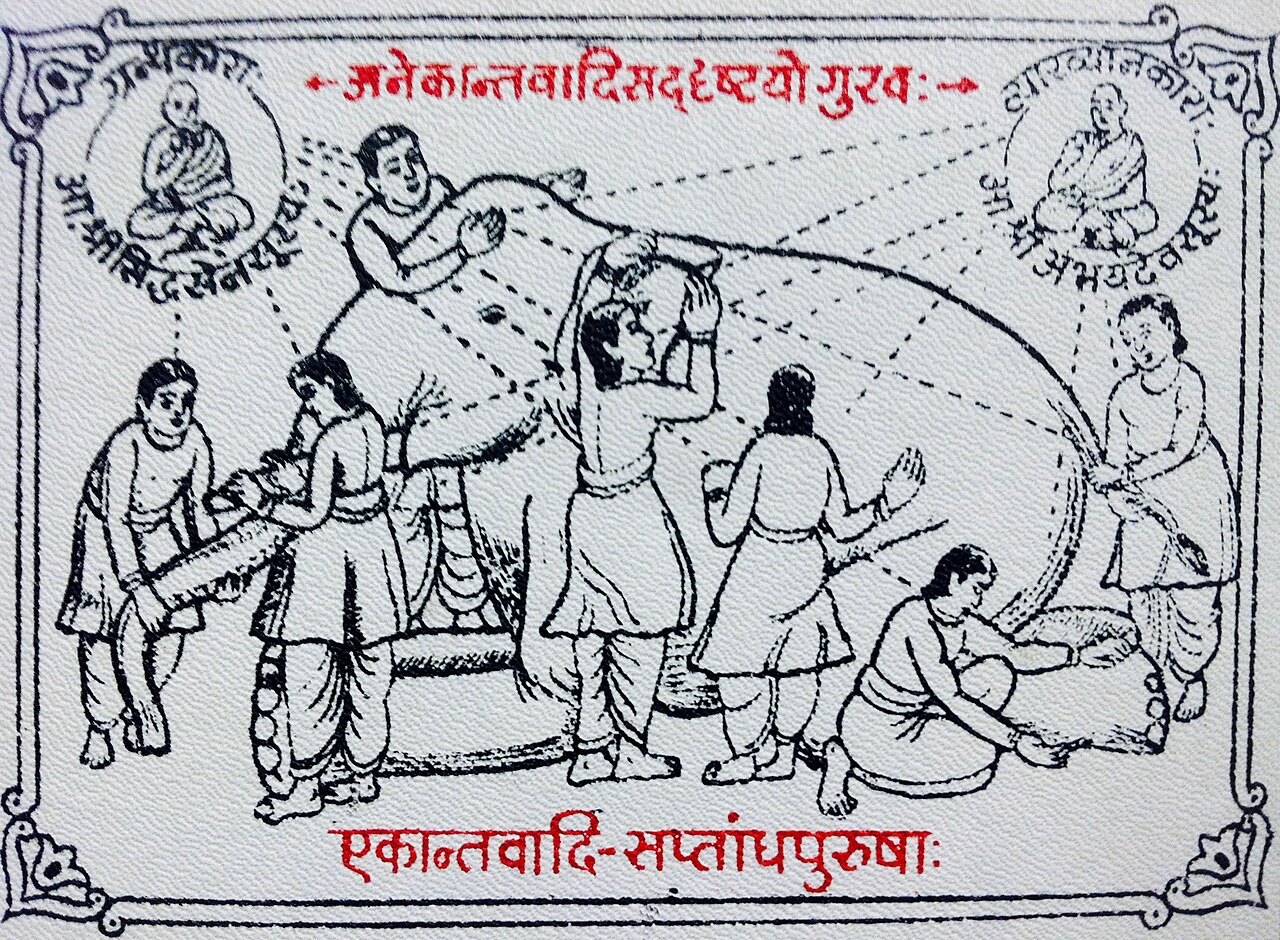
  4. The philosophy of perspective. Anekantavada introduces the doctrine that reality has many sides, the source of the famous parable of the blind men and the elephant.
  5. The communities and their text. Digambara and Svetambara and The Tattvartha Sutra explain the two main sects and the one scripture both accept.

For the most important annual observance, a season of fasting and mutual forgiveness, read Paryushana. Dates differ between Svetambara and Digambara communities; our festival calendar lists both.